Young Peace Ambassadors

Young Peace Ambassadors (YPA) is a collaboration between The Blackley Centre and local primary schools, enabling children to address and transform conflict among their peers.

Young Peace Ambassadors was set up in memory of Lord David Shutt who was one of the founding trustees of The Blackley Centre. David had a heart for young people and for peace and so the establishment of Young Peace Ambassadors has become a living memorial to a man whose life embodied the principles of peace and reconciliation that we share with the children.

The YPA project aims to help children and two staff members from each school

  • form more peaceful relationships
  • develop skills to handle difference and conflict
  • be advocates for peace and collaborative ways of working
  • impact their school and communities with a culture of peace.

Through this project children and staff learn that shouting, aggression and fighting are not the only or ideal ways to deal with conflict, but that careful listening, summarising, identifying issues, problem solving and agreement making provide a non-violent process of transforming conflict before it becomes destructive.

Our aim is to equip children to take these principles back into school and become advocates for peace.

What do we offer?

The Blackley Centre is currently working with 5 local primary schools and is hoping to expand this to include a sixth.

The process begins with The Blackley Team leading an assembly in each school where we explain what the project entails and what it would mean to be a Peace Ambassador in their school. Children then apply to join the programme and between 8-12 children are selected from each school.

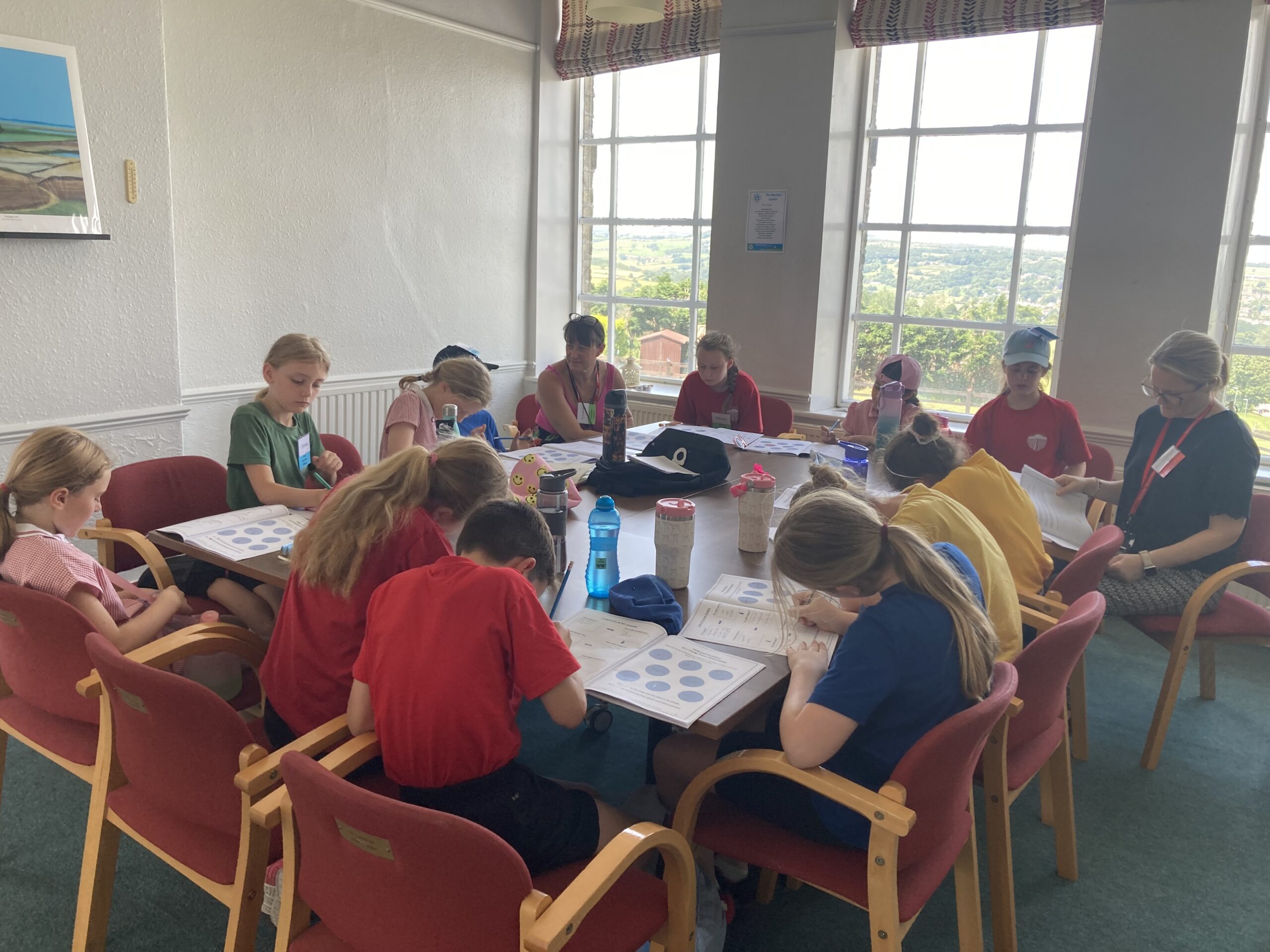
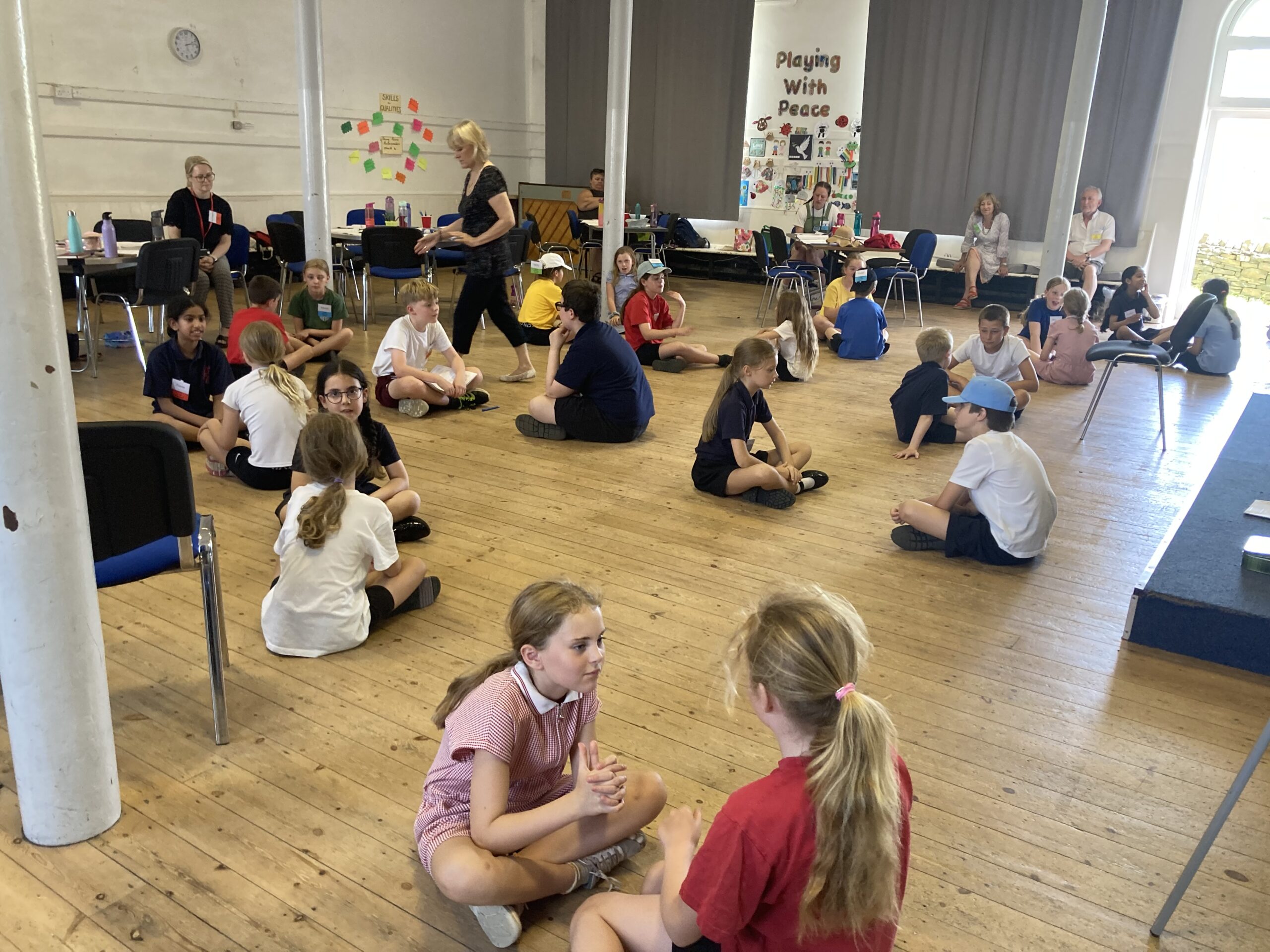
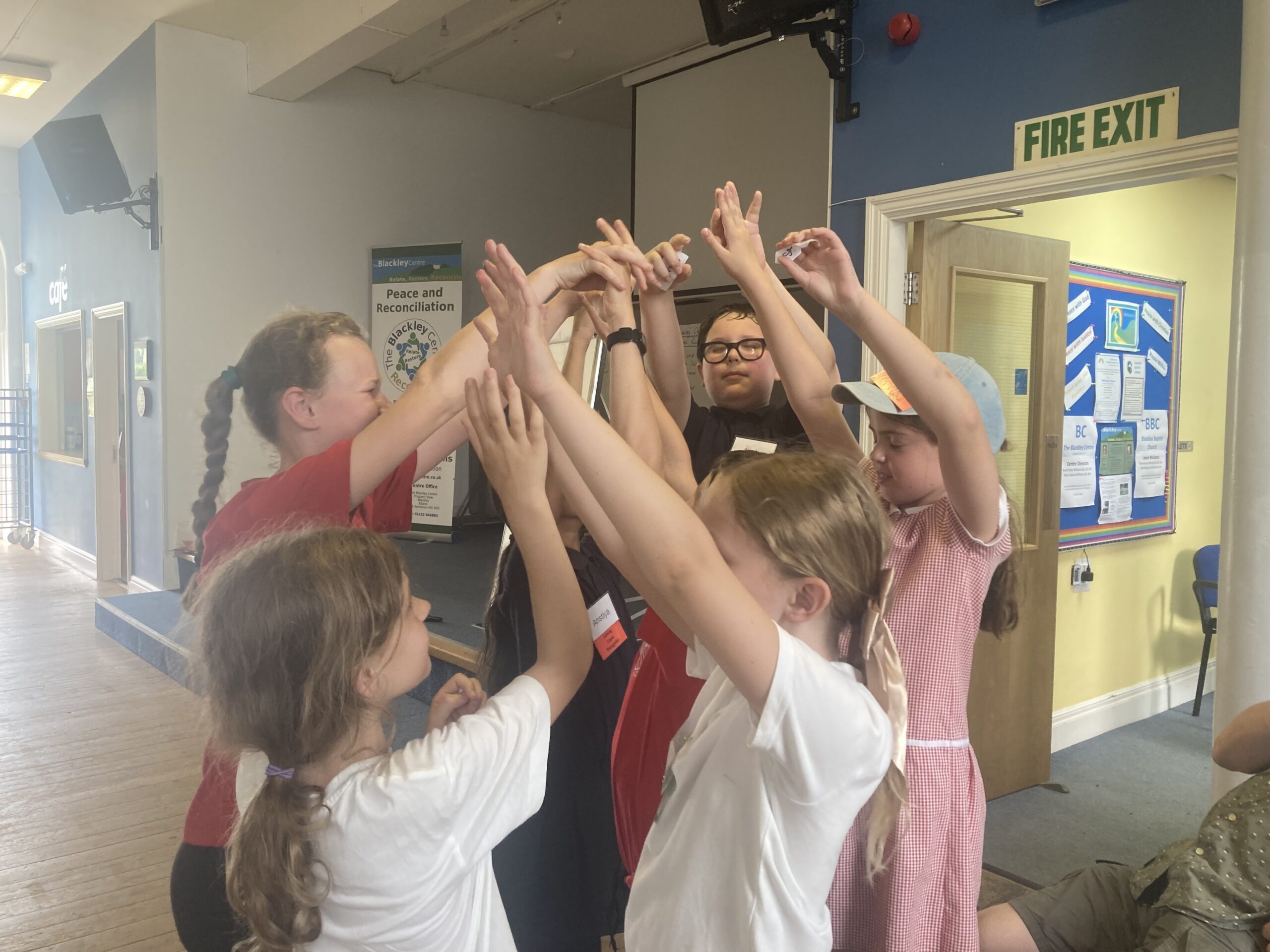
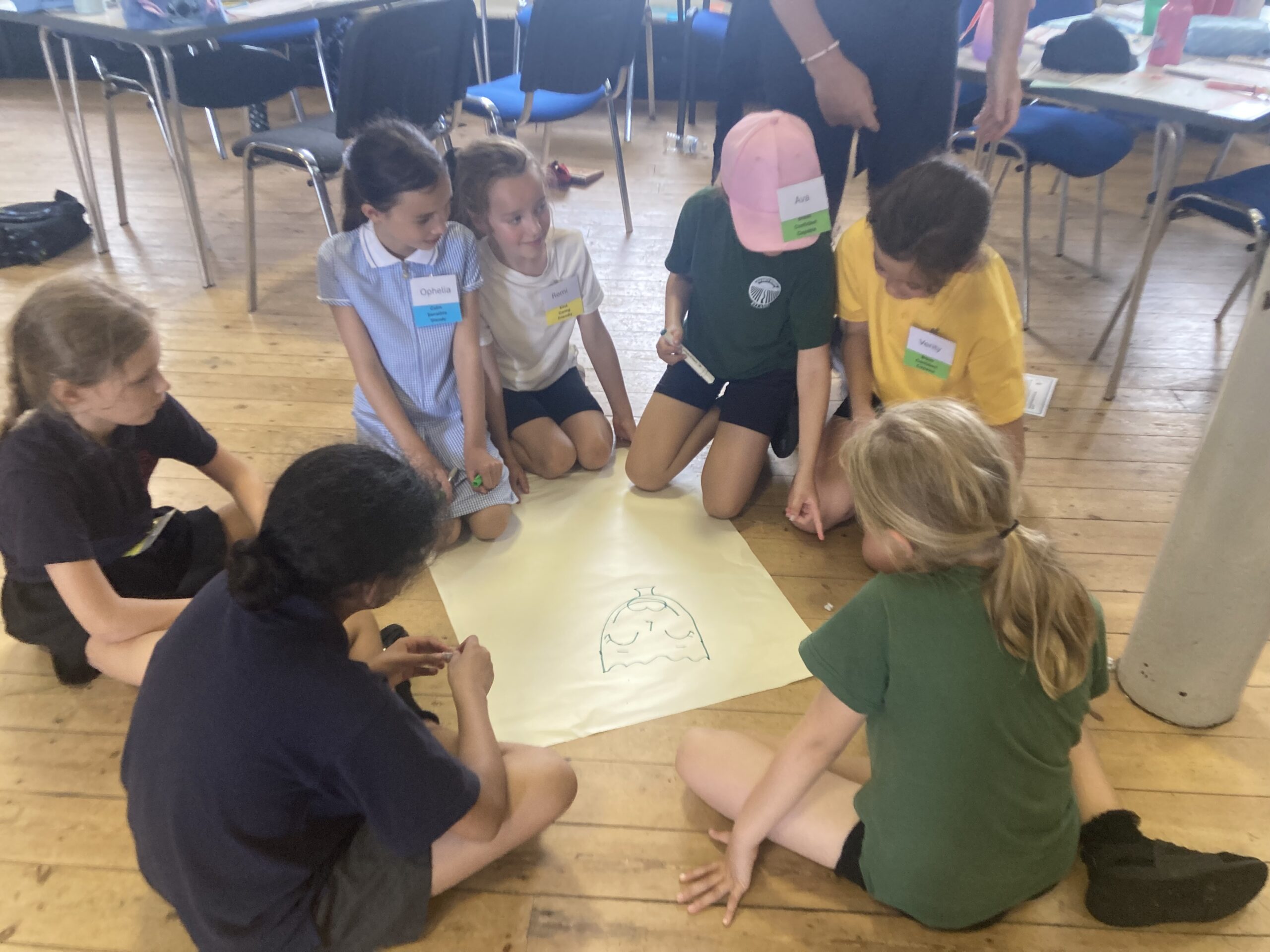
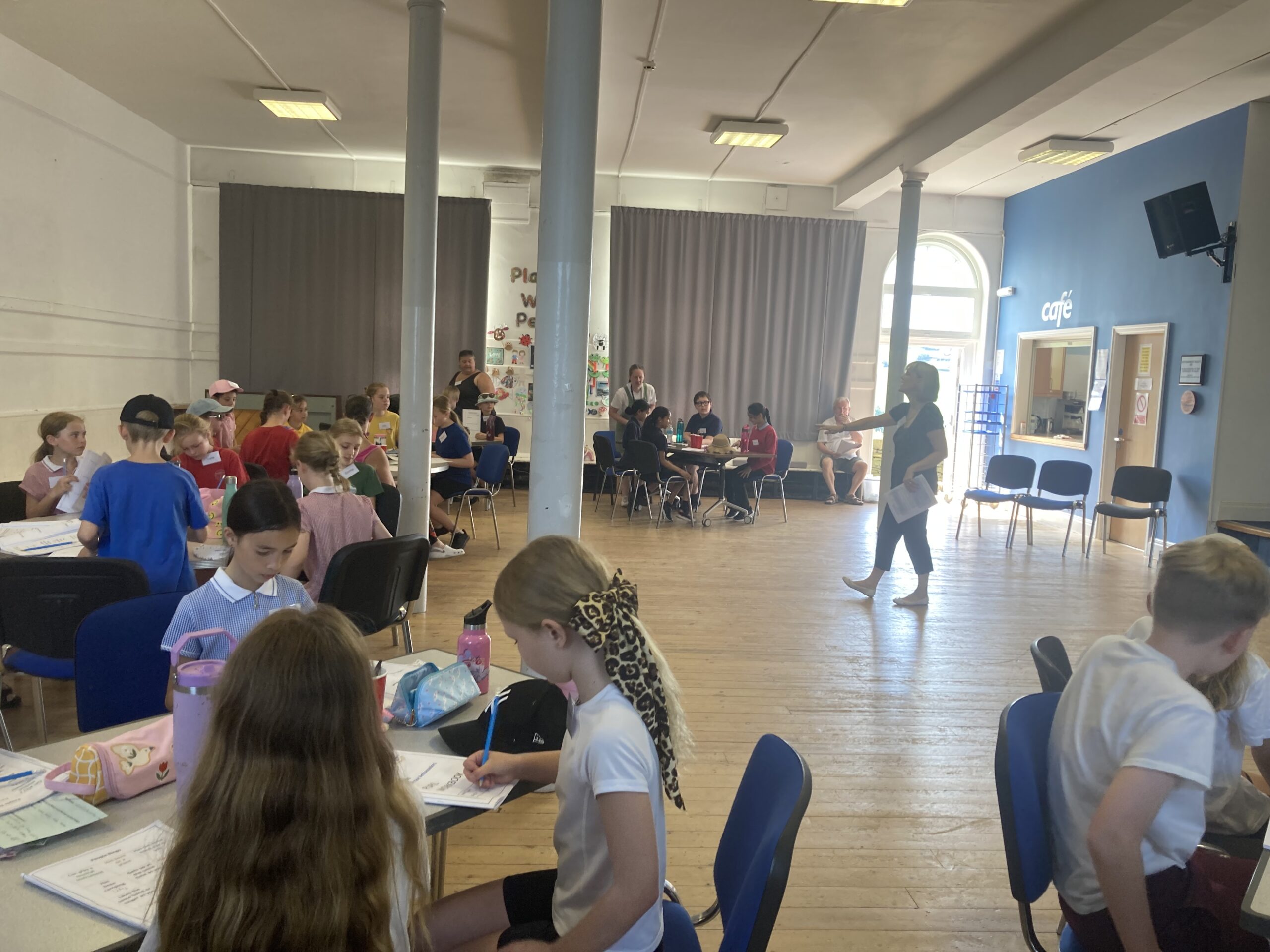
The Blackley Centre offers 2 days of training in the summer term for the children & nominated staff (working together with one or two of the other schools) where we engage in a range of interactive sessions, considering how they can form more peaceful relationships and develop skills to handle conflict. The children are empowered to become advocates for peace and reconciliation so that they can have a positive impact on their peers in the school environment.

We offer a refresher day in September for the Young Peace Ambassadors as they begin a new school year. Following this, children are invited to a celebration day where they are presented with certificates, recognising and celebrating their achievements with family and friends.

Impact Statements

Children from Bowling Green Academy are really enjoying the benefits of being Peace Ambassadors. They are thriving in their roles and take it seriously, wanting to help and support children where needed. One Peace Ambassador noted, 'It's good having responsibility and being around to help others. Other children know they can come to us whenever they need anything'. Having these pupil leadership roles has allowed adults on duty to lead play, focus on safety and ensure everyone has a happy, healthy time outdoors. The training for Peace Ambassadors was well planned and considered and allowed children opportunities to work with pupils from other schools to solve problems. Bowling Green Academy prides itself on allowing pupils additional responsibilities and for preparing themselves for both the next stage of their education and for life in a diverse society. Having Peace Ambassadors negotiate and support peers has helped us develop our 'Achieving Together' motto further.

Impact Statement from Jamie Stuttard, Executive Principal of Bowling Green Academy

The pupils who have engaged with the programme have significantly improved their social skills and conflict resolution capabilities. They have used opportunities to transfer the skills they have learned in the programme to other aspects of school life, for example becoming faith leaders and school councillors. They have used their skills to train up other members of our student body. We have also used our ambassadors to support our whole behaviour management strategy. Behaviour in our school is good, and we owe a lot to the peace ambassadors for this. The Young Peace Ambassadors now have greater success in resolving conflicts and are trusted to resolve conflicts with sensitivity, empathy and maturity. They are well regarded by their peers and everybody around school respect their peace keeping skills. Thank you for continuing to provide this for our school, we are very grateful to the programme for supporting our high behaviour expectations.

Impact Statement from Mrs Catie Boyes, Headteacher St Patrick's Catholic Primary Academy

Having originally been part of the pilot in Calderdale, we are proud to engage with the Young Peace Ambassador programme again this year. For schools to reengage with training is truly testament to the impact seen ‘on the ground’ in the setting and I am proud to share ours. The pupils who have engaged with the programme have made significant steps in developing their confidence and maturity in social situations, with many of them applying for (and securing) other roles and responsibilities in school as a result. They have seen opportunities to transfer the skills they have learned in the programme to other aspects of school life, and as such, they feel valued, respected and visible in school. Furthermore, we have seen a significant improvement over the last 12 months in the playground behaviour of our Key Stage 2 pupils, especially those in Years 5 and 6 (which, ordinarily, can prove challenging at times in our setting). The Young Peace Ambassadors now have greater success in resolving conflicts and use their display board with pride. They are trusted to resolve conflicts with sensitivity, empathy and maturity – and because of this competent approach – they have secured the trust of their peers. Recently, too, staff have commented incredibly positively on their experiences, with one senior leader stating, ‘it is a dream at playtime with them now!’. The adults who trained alongside the pupils also comment positively on the impact of the programme on school life and the school’s culture and ethos. They, too, have felt an improved confidence in their own practice when resolving conflicts in an ‘emotional coaching’ manner. Senior leaders judge pupils’ ‘Behaviour and Attitudes’, under the Ofsted Framework, as a strength of the school.

Impact Statement from Mr M R Sharp, Headteacher of Cross Lane Primary School